How to Use IP Geolocation to Personalize Advertising
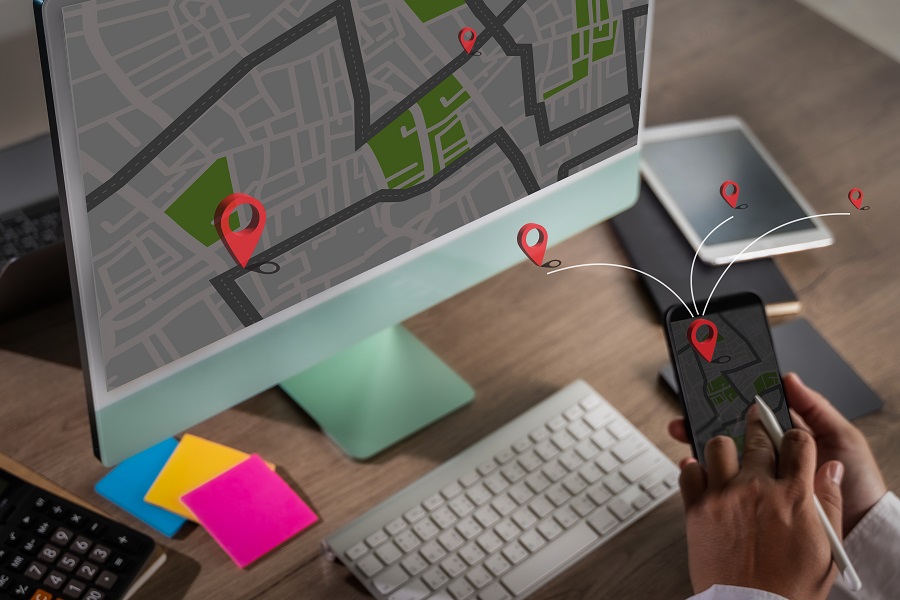
If you want your ads to reach the right people at the right time, it’s smart to tap into IP geolocation. With this approach, you can show users offers and content tailored to their real-world location—no guesswork required. But before you start tweaking your campaigns, there are key decisions and compliance issues to consider. Wondering if it’s worth the effort or how to set it up for big results?
How IP Geolocation Powers Digital Advertising
IP geolocation is a technology that plays a significant role in digital advertising by determining the geographic location of a device based on its IP address.
When a user visits a website, their IP address is included in the HTTP request header.
Advertisers utilize databases, such as IP2Location.com, to analyze this information and ascertain the user's location, down to the country, state, or city level.
This geolocation data allows advertisers to personalize ads in real time, tailoring content to the user's location.
For example, ads can be customized to highlight nearby stores or events, enhancing the relevance of the advertisement to the user.
Programmatic advertising platforms use this location data to segment audiences, directing advertising efforts toward regions with higher conversion rates.
The accuracy of IP geolocation typically falls within a range of 60-80 kilometers, which is sufficient for marketers to deliver region-specific content.
This capability enhances the effectiveness of digital advertising by making it more targeted and relevant to the audience, thereby increasing the likelihood of engagement and conversion.
How to Set Up IP-Based Personalization
Setting up IP-based personalization involves a series of methodical steps to tailor website content according to the user's location.
To begin, integrating an IP geolocation service, such as IP2Location.com, with a website's backend is essential.
This service analyzes HTTP request headers to accurately determine the geographic region of the user.
Following this, it's necessary to configure the website's Content Management System (CMS) or Application Programming Interface (API) to dynamically adjust banners and product recommendations based on the IP-derived location data.
Implementing a Personalization Management System is also advisable, as it allows for the establishment of rules that dictate location-specific content, ensuring users receive relevant offers.
Testing is a critical component of this setup.
You can check your IP to see how your website would respond to users from different locations. By simulating various IP addresses, the effectiveness of the personalization can be verified, confirming that users receive content tailored to their location.
It's equally important to incorporate consent prompts to address privacy concerns and ensure compliance with data protection regulations from the outset.
How Location Personalization Boosts Ad ROI
Tailoring ad content to a user's specific location can enhance advertising outcomes. Utilizing IP geolocation for ad personalization can reduce customer acquisition costs. According to McKinsey, this reduction can be significant, potentially by up to 50%. Aligning advertisement content with the user's location can increase ad-driven revenue by 5% to 15%, as users are more likely to engage with locally relevant offers. This approach also reduces wasted impressions and enhances efficiency by 10% to 30%, allowing advertisers to concentrate spending on more profitable regions. Moreover, implementing real-time campaign adjustments, such as city-specific discounts, enables advertisers to respond to user needs promptly, thereby improving ad ROI with each user interaction.
Geo-Targeting, Geofencing, or Hyperlocal: Which Works Best?
When considering location-based advertising strategies, brands must evaluate the suitability of geo-targeting, geofencing, and hyperlocal techniques.
Geo-targeting uses IP addresses to deliver ads on a broad scale, suitable for city or region-wide campaigns where minimizing unnecessary reach is important.
This method is effective for campaigns that aim for wide visibility while maintaining relevance within a specified area.
Geofencing, which relies on GPS technology, creates virtual perimeters that activate real-time alerts upon entry or exit.
This approach is beneficial for increasing foot traffic through timely notifications and is particularly useful for retail environments.
It allows businesses to engage with potential customers when they're in proximity to a store or event.
Hyperlocal targeting employs technologies such as Bluetooth beacons to engage users in very specific locations, such as within a particular store.
This method is ideal for driving conversions through personalized offers and experiences tailored to the immediate context of the user.
The effectiveness of each approach depends on the specific objectives of the campaign.
If the goal is to achieve a broad reach, geo-targeting may be the most appropriate.
For event-specific engagement, geofencing can create timely interactions.
For highly localized engagement, hyperlocal targeting provides precise user interaction.
Each method serves distinct purposes and should be selected based on the campaign's goals and desired outcomes.
Winning Examples of Geolocated Advertising
Real-world examples demonstrate that geolocated advertising can yield measurable results for brands across various industries.
For instance, Starbucks has been able to enhance foot traffic by 10% by sending targeted offers to customers located near their stores.
Similarly, a retailer in Chennai effectively utilized geolocation for a "Monsoon Sale" campaign by aligning advertisements with local weather conditions, which led to an increase in conversions.
Another example includes Sephora, where the use of Bluetooth beacons for offering discounts resulted in a 15% rise in average purchase values.
McDonald's has also seen a reduction in acquisition costs by 50% through targeting users in proximity to their outlets.
Moreover, Facebook’s ZIP code targeting has enabled brands to promote neighborhood events, leading to higher engagement and return on investment.
These cases illustrate that when used strategically, location data can drive significant and quantifiable results.
Geolocation Advertising: Staying Compliant
When a website utilizes IP geolocation to deliver tailored content, it's crucial to comply with privacy regulations to avoid potential penalties.
Under the General Data Protection Regulation (GDPR), obtaining explicit user consent is mandatory, with non-compliance leading to substantial fines.
For residents of California, it's necessary to inform them of geolocation data collection in accordance with the California Consumer Privacy Act (CCPA) and provide an option to opt-out.
Conducting regular audits of data handling practices is essential to ensure compliance with the Federal Trade Commission (FTC) advertising standards.
It is important to maintain a transparent privacy policy that explicitly outlines the handling of IP-derived data.
Additionally, anonymizing or aggregating geolocation data can help reduce regulatory exposure and build user trust by minimizing risks associated with data privacy.
This approach not only protects the organization from legal issues but also aligns with best practices for responsible data management.
How to Measure Geolocated Ad ROI
To determine the effectiveness of location-based advertising, calculate the return on investment (ROI) by comparing the revenue generated from geolocated conversions to the total advertising expenditure.
Utilize IP geolocation data to attribute sales accurately to specific regions.
By analyzing click-through and conversion rates, you can identify regions where targeted advertisements are most effective.
According to McKinsey, geolocated campaigns have the potential to reduce cost per acquisition (CPA) by as much as 50%.
Conduct A/B testing to compare the performance of geolocated and non-geolocated advertisements, focusing on metrics such as engagement and efficiency improvements, which can increase by up to 30%.
Employ real-time IP data to identify regions with revenue increases ranging from 5–15%, thereby optimizing spend and reducing inefficiencies.
Conclusion
If you want to boost your advertising results, IP geolocation is a powerful tool. By personalizing your ads based on users’ real-time locations, you'll make your messaging more relevant and more likely to convert. Don’t forget to stay compliant by securing user consent and respecting privacy laws. With the right setup, you’ll see better ROI, higher engagement, and more foot traffic—just like the world’s most successful brands. Start personalizing your ads today and watch your results grow.